
Bali is known as the “Island of the Gods” and is home to thousands of temples. Bali’s temples, known locally as Pura have a history that spans more than a thousand years and are deeply connected to the island’s Hindu culture. Hinduism first arrived in Bali from India through Java around the 8th–10th centuries. Early Balinese kingdoms adopted Hindu and Buddhist beliefs, blending them with indigenous ancestor worship and nature-based traditions. This unique combination became the foundation of Balinese Hinduism. Here are 10 of the most famous temples in Bali call Sad Kahyangan.
Besakih Temple is the largest and most important Hindu temple complex in Bali. It is located on the slopes of Mount Agung, Bali’s highest volcano, in Karangasem Regency. Besakih is a very old sacred site consider first temple built in Bali. Its origins are traditionally associated with ancient religious practices on the slopes of Mount Agung, while the temple complex developed over many centuries. The name Besakih is commonly connected with the Balinese word basuki, meaning safety, prosperity, or well-being. The complex has survived earthquakes, volcanic eruptions, political changes, and other events throughout Bali’s history. Its location on Mount Agung gives it exceptional spiritual importance. The temple dedicated to the Lord of Siwa (Shiva).
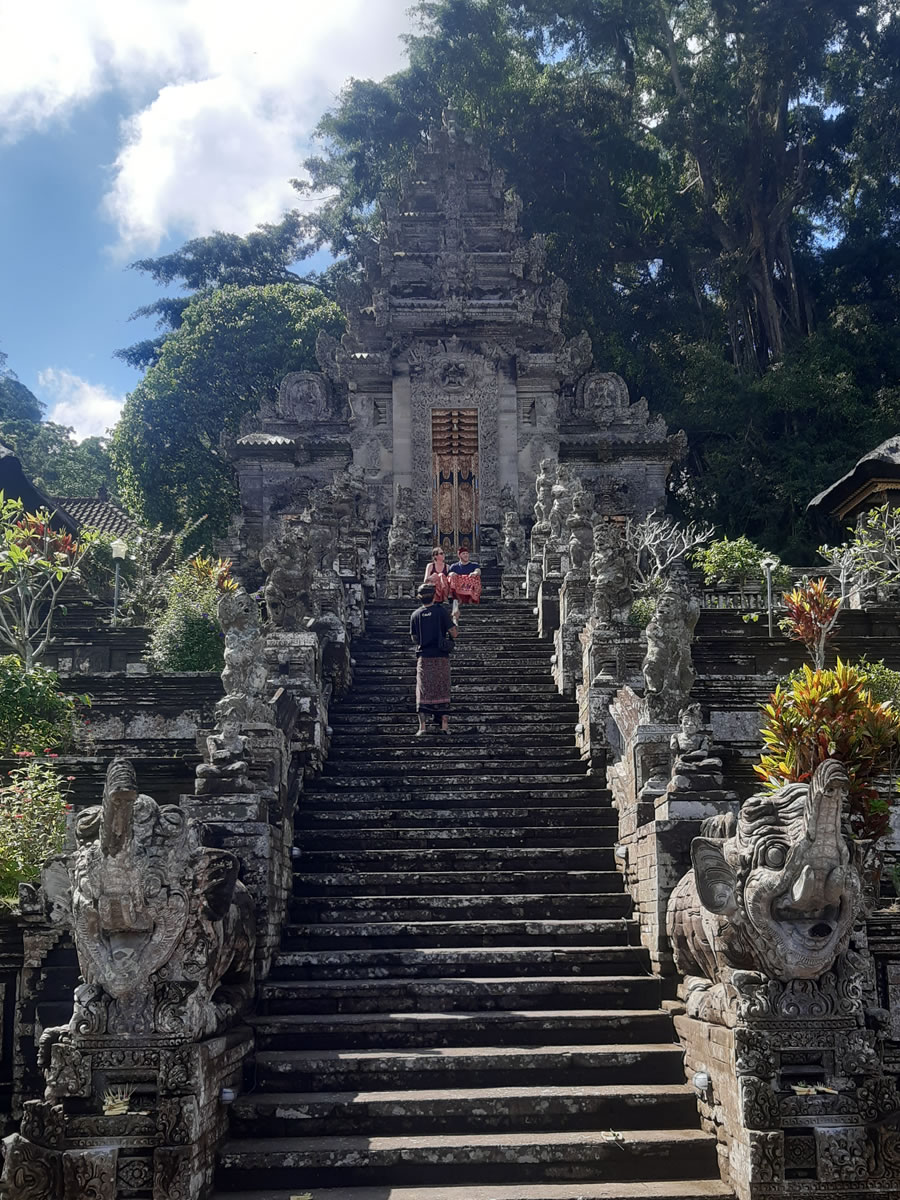
Kehen Temple has a long history dating back to at least the 11th century, based on inscriptions associated with the temple. It later became an important temple of the Kingdom of Bangli. It is considered one of the island’s important temples and is particularly well known for its grand staircase, ancient banyan tree, intricate stone carvings, and beautiful meru towers. The name Kehen is traditionally connected with the word keren, meaning fire or flame, and the temple has a strong association with Agni, the Hindu god of fire.
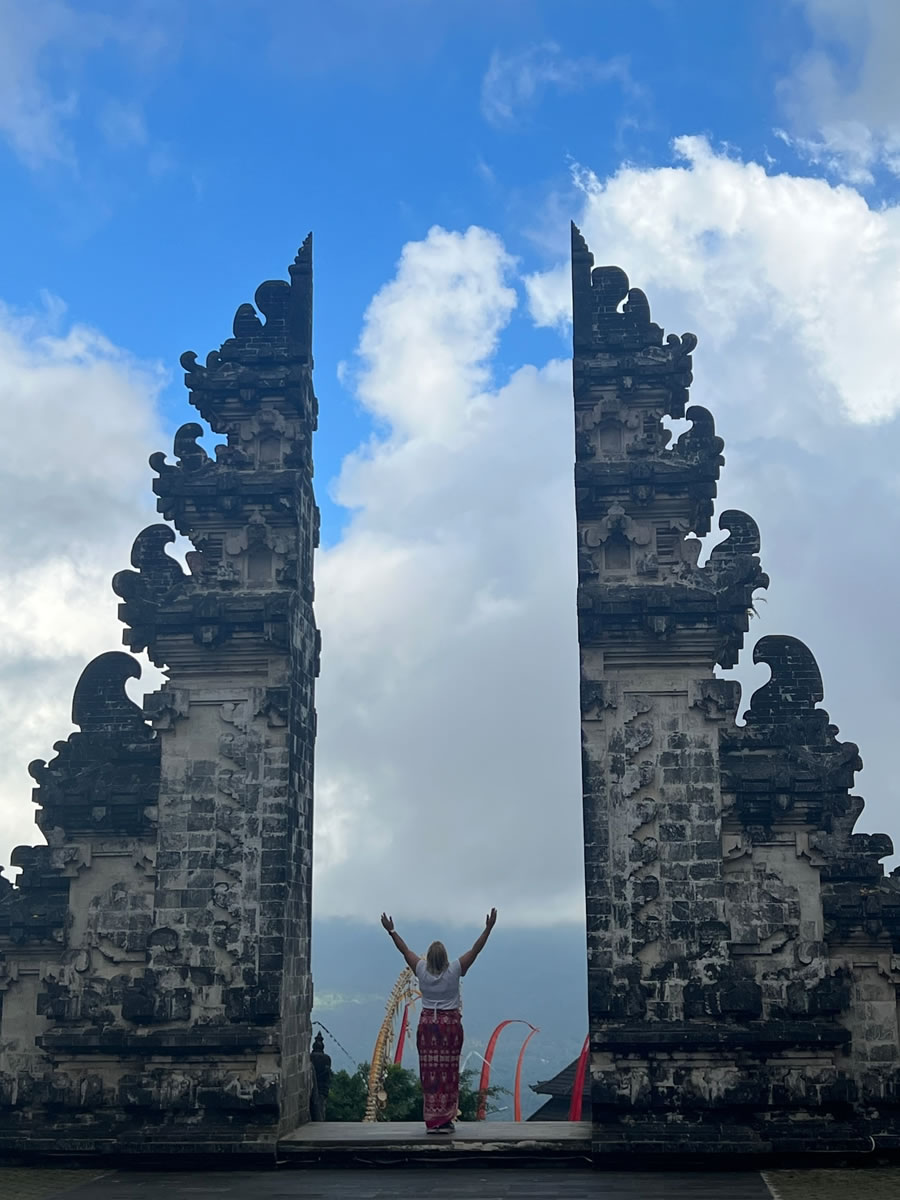
The temple located at Tri Buana Village, Abang District, Karangasem Regency, East of Bali. Penataran Agung Lempuyang Temple is one of Bali’s most sacred Hindu temples. Located on the slopes of Mount Lempuyang, it is famous for its traditional split gate, spectacular mountain scenery, and spiritual significance. The temple is especially popular with visitors seeking the iconic “Gateway to Heaven” view, where the temple gate frames Mount Agung on clear days.
Andakasa Temple also known as Pura Luhur Andakasa, the temple was built by Mpu Kuturan around the 11th century. The temple has an important position in the Balinese Hindu concept of Dewata Nawa Sanga, the nine sacred temples associated with the guardians of the directions. The approach involves a steep road and a climb up stairs from the parking area with views toward the surrounding Karangasem landscape and sea can be seen from the higher areas. Andakasa Temple represents the south and is associated to the Lord of Brahma.
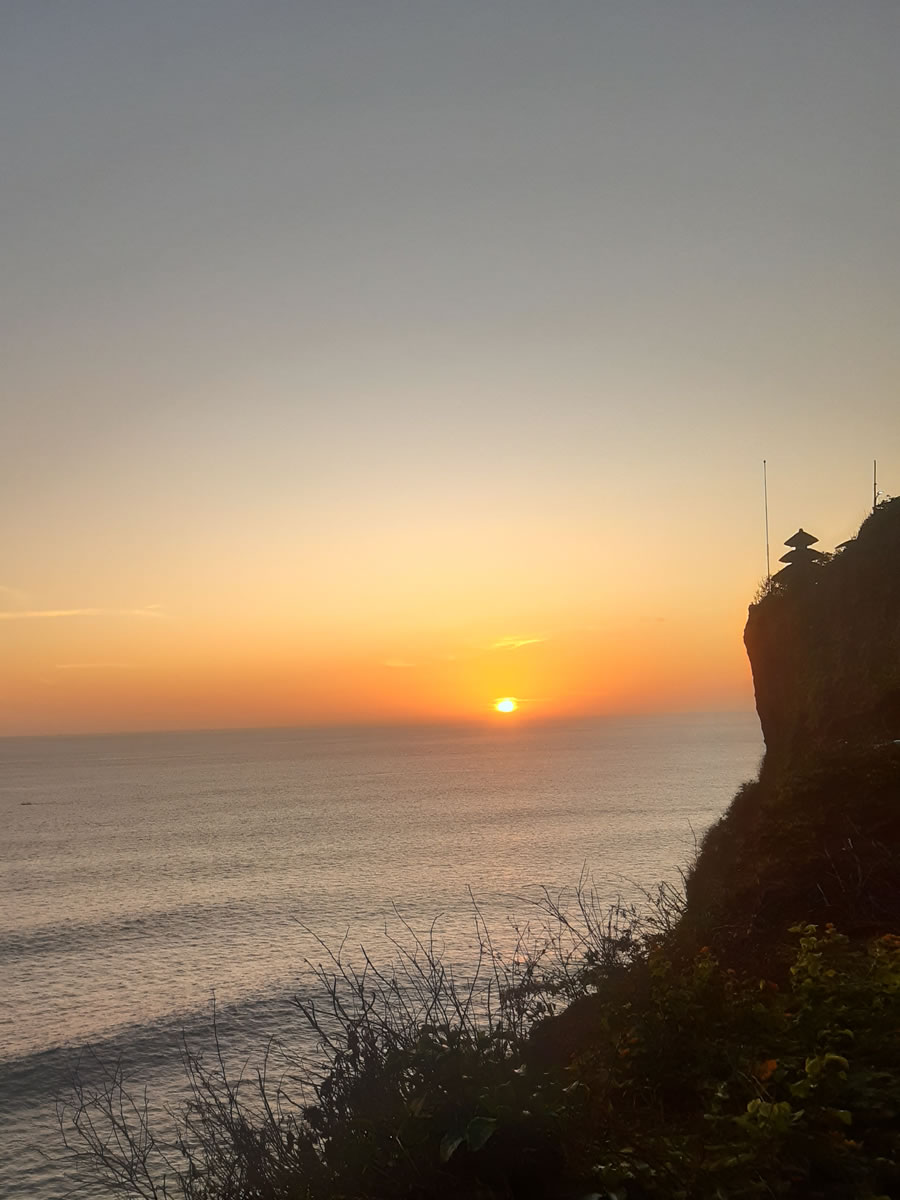
Uluwatu Temple is an important Hindu place of worship and one of Bali’s revered directional temples. Its stone gates, shrines, and traditional architecture reflect the island’s religious traditions. Pura Luhur Uluwatu, is one of Bali’s most famous Hindu sea temples. Located in Pecatu, South Bali, the temple stands on a steep limestone cliff approximately 70 metres above the Indian Ocean. It is renowned for its dramatic coastal views, spiritual importance, and spectacular sunset scenery. The temple is an excellent destination for travellers who want to experience Balinese culture, traditional architecture, and the island’s natural beauty in one visit.
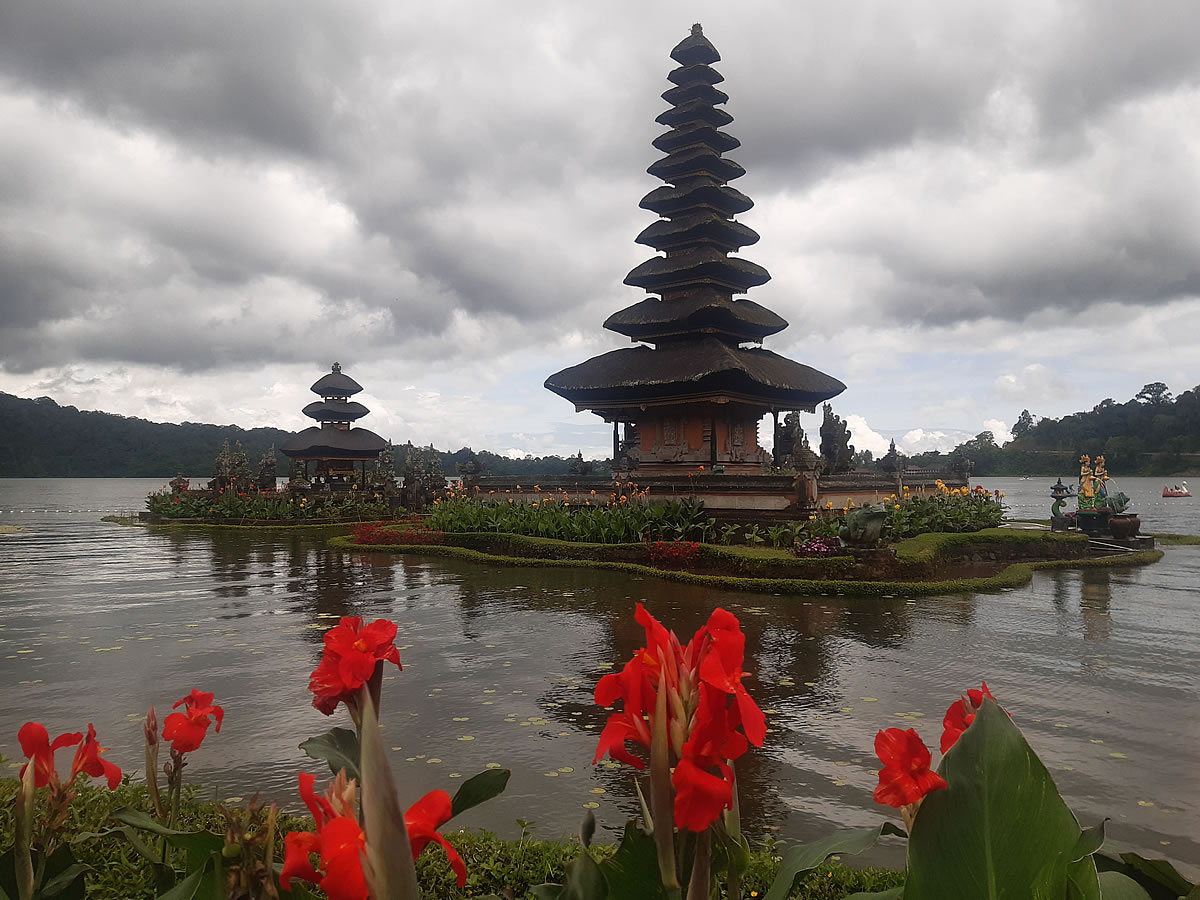
Ulun Danu Beratan Temple dates to the 17th century and is dedicated to Dewi Danu, the Balinese Hindu goddess associated with lakes, water, and fertility. Located beside Lake Beratan in the cool highlands of Bedugul, Tabanan, the temple is known for its elegant multi-tiered shrines, mountain scenery, and beautiful reflections on the lake. Lake Beratan is an important source of water for surrounding agricultural areas. The temple reflects the close relationship between Balinese Hindu beliefs, water management, and the island’s traditional farming culture. The temple is also associated with the subak irrigation tradition, which helps sustain Bali’s rice-growing landscapes.
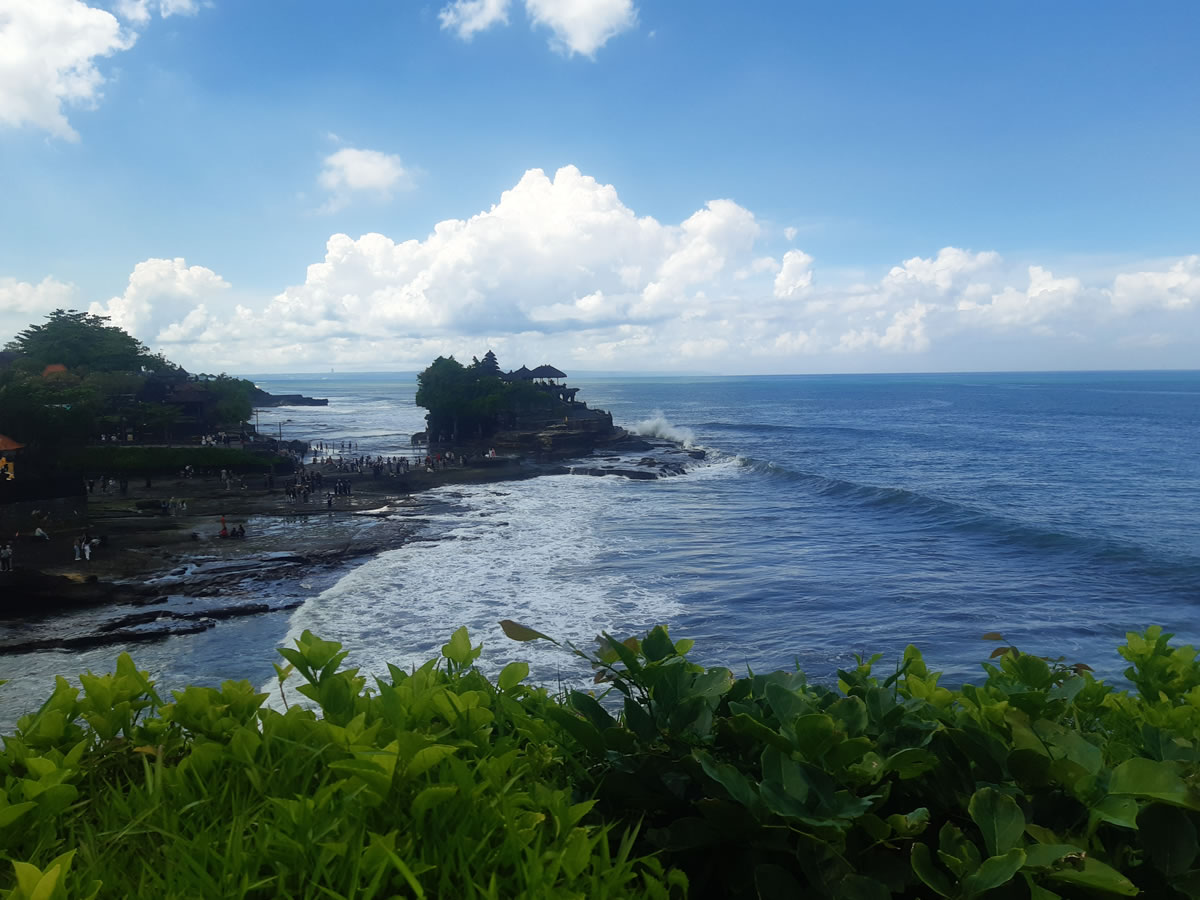
Tanah Lot Temple is one of Bali’s most famous Hindu sea temples, celebrated for its dramatic offshore rock formation, ocean views, and beautiful sunsets. Built by Dang Hyang Nirartha, a Hindu priest who travelled through Bali around the 16th century, the temple located in Beraban Village, Tabanan Regency, on Bali’s southwest coast, the temple is an important cultural and spiritual landmark. The name Tanah Lot is commonly translated as “Land in the Sea.” When the tide rises, the temple’s rocky base is surrounded by water, creating the iconic scene seen in many photographs of Bali. Western side there are temples complex includes other sacred sites, including Enjung Galuh, Jero Kandang, Batu Bolong Temple, which stands on a distinctive rocky formation overlooking the sea.
Batukaru Temple, known locally as Pura Luhur Batukaru, is one of Bali’s most sacred Hindu temples. Located on the lush slopes of Mount Batukaru in Tabanan Regency, western Bali, the temple is surrounded by dense tropical rainforest, mountain scenery, and a peaceful natural atmosphere. The temple is closely connected with Mount Batukaru, one of Bali’s significant volcanic mountains. Its highland setting reflects the Balinese Hindu belief in the spiritual importance of mountains, forests, and sacred natural places. Batukaru Temple represents the west and is associated to the Lord of Mahadeva.
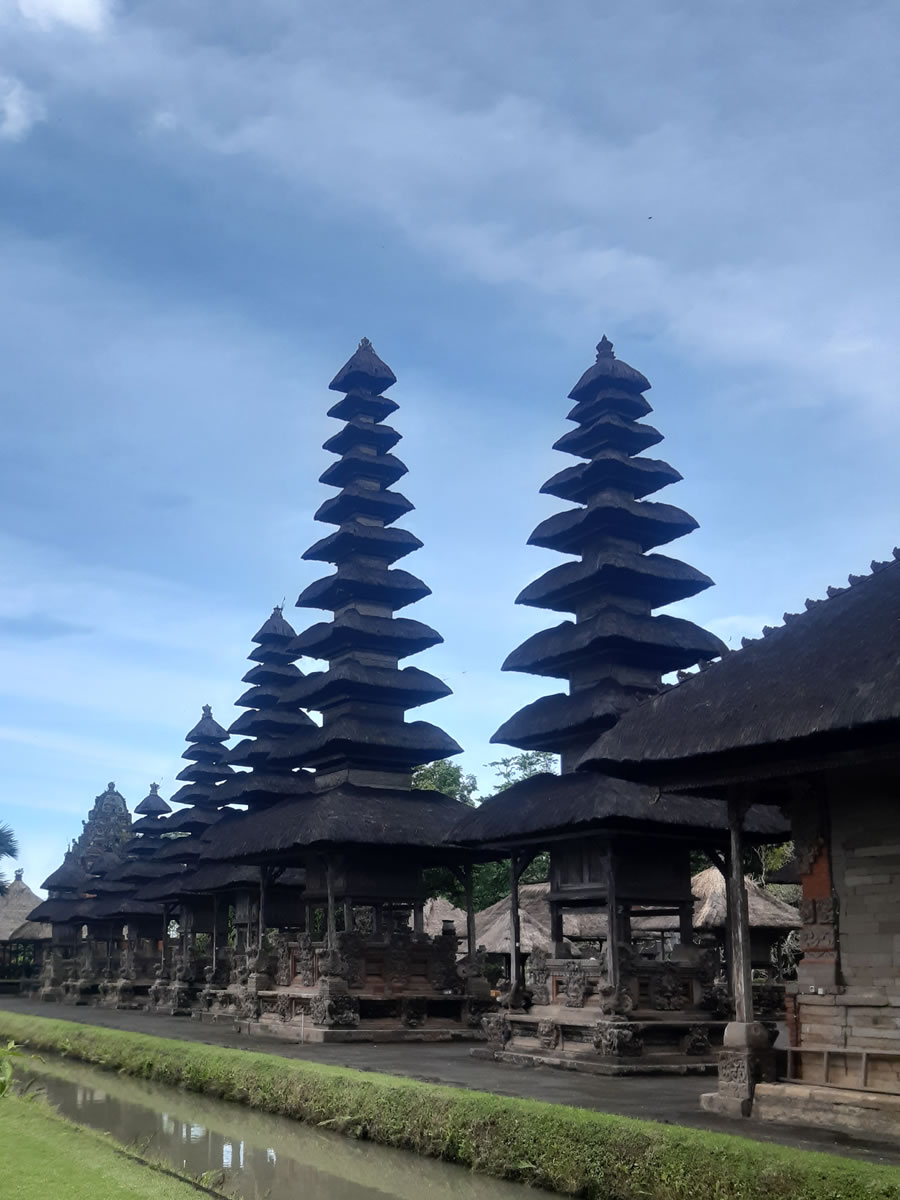
The name Taman Ayun is commonly translated as “beautiful garden.” The peaceful setting makes this temple a wonderful stop for travelers exploring Bali’s history, religious traditions, and traditional architecture. Taman Ayun Temple was established in 1634 by the ruler of the Mengwi Kingdom, traditionally identified as I Gusti Agung Putu. It served as an important royal temple and a place of worship for the royal family. The temple is also associated with Bali’s traditional subak irrigation system, which connects religious practices, water management, and rice cultivation. It forms part of the UNESCO-listed Cultural Landscape of Bali Province, inscribed in 2012
Email : info@balitobali.com
Mobile within Bali dial 081-2395-6828
Mobile overseas dial 62-81-2395-6828
Whatsapp dial 62-81-2395-6828
Please contact us by whatsapp for quick response
Categories
- Bali Activities (2)
- Bali Attractions (7)
- Bali Travel Guide (11)